Featured
Table of Contents
- – The Trouble with Traditional Weekly Therapy
- – What Makes EMDR Intensives Various
- – The Integrative Method: Why Multiple Modalitie...
- – That Profits A Lot Of from EMDR Intensives
- – What In fact Happens in an Extensive
- – The Scientific Research Behind Accelerated Han...
- – Assimilation After the Intensive
- – Key Phrases and Look Terms
- – Making the Decision
You've been in treatment for months-- possibly years. You recognize your trauma intellectually, you have actually discovered dealing skills, but the weight hasn't raised. Triggers still pirate your nerve system. Relationships continue to be hard. The previous keeps invading the existing in spite of your best shots to "procedure" it once a week for 50 minutes.
This is where EMDR intensive therapy fundamentally transforms the equation.
The Trouble with Traditional Weekly Therapy
Weekly sessions work for some issues, yet injury does not adhere to a hassle-free 50-minute routine. When you're handling complicated PTSD, accessory wounds, or deeply embedded terrible memories, the stop-start nature of conventional treatment can really reduce healing.
You invest the initial 15 minutes reconnecting with your specialist and coming back right into susceptible space. You process for perhaps 20 mins. You have to wrap up, placed whatever back in its box, and return to routine life-- usually still activated, with no time for complete handling.
By the time next week shows up, your nerve system has altered to baseline. You're beginning again, developing momentum again, just to quit after much less than an hour. For complex injury, this strategy can take years with step-by-step progress.
What Makes EMDR Intensives Various
EMDR intensive therapy at Pittsburgh Center for Integrative Therapy condenses what may take months into concentrated, successive days of treatment. Instead of 50-minute weekly sessions, you take part in 3-4 hour sessions daily over a duration ranging from half a day to 5 days.
This extended style allows your brain to stay in processing mode. You're not continuously quiting and rebooting-- you're preserving restorative energy. The reciprocal stimulation that makes EMDR effective proceeds across sustained periods, permitting deeper reprocessing of stressful product.
Customers regularly report developments in intensive styles that thwarted them in conventional treatment. The immersive nature removes you from day-to-day diversions and commitments, developing devoted room for recovery work. You're not rushing from treatment to a work conference or grabbing kids from school while still psychologically triggered.
The Integrative Method: Why Multiple Modalities Matter
What identifies Pittsburgh Facility for Integrative Therapy from standard EMDR suppliers is the sophisticated combination of complementary approaches. Injury affects mind, body, and relational patterns-- recovery needs attending to all three.
Interior Family Systems (IFS) acknowledges that various parts of your mind hold various aspects of trauma. One part may be ready to process while an additional really feels safety or immune. IFS job during intensives aids collaborate these internal parts, minimizing internal problem that often delays conventional treatment.
Sensorimotor Psychiatric therapy brings body-based recognition into injury handling. Trauma stays in the nerves and body, not just cognitive memory. Somatic interventions assist release stuck survival energy-- the fight, trip, or freeze reactions that never ever finished. Between EMDR handling rounds, motion and body-based grounding ensures you're not simply mentally processing but physically releasing held stress.
Psychologically Focused Treatment (EFT) concepts inform exactly how add-on injuries are resolved. Several trauma patterns originate from early relational experiences. EFT-informed extensive job assists recycle these accessory injuries, creating new internal designs of security and link.
Cognitive Handling Therapy (CPT) components address the stuck ideas that trauma produces. "I'm not secure," "I can not trust any individual," "It was my fault"-- these cognitive distortions require straight attention. CPT methods incorporated into intensives target these ideas systematically.
Safe Procedure (SSP) uses acoustic stimulation to manage the nerve system via the vagus nerve. This produces physiological security that sustains deeper trauma processing. When your worried system feels risk-free at a biological degree, you can access and process memories that would certainly otherwise remain protected.

That Profits A Lot Of from EMDR Intensives
Intensive EMDR treatment specifically helps individuals with single-incident trauma (accidents, attacks, natural catastrophes) looking for fast resolution, facility PTSD from long term or several traumas, attachment injury impacting adult connections, dissociative signs and symptoms that fragment experience, treatment-resistant injury where conventional therapy hasn't functioned, and active professionals that can commit intensive time but struggle with continuous weekly commitment.
The layout likewise matches people who have actually "hit a wall" in standard therapy-- where insight is there but psychological relief continues to be elusive. The sustained processing of intensives usually damages via these restorative plateaus.
What In fact Happens in an Extensive
EMDR intensives aren't simply longer therapy sessions-- they're very carefully structured experiences. Every day commonly includes prep work and grounding to ensure anxious system preparedness, prolonged EMDR processing sessions targeting details memories, somatic integration making use of movement and breathwork, IFS job to deal with safety parts, and abilities building for psychological guideline and distress resistance.
Between handling rounds, you involve in grounding activities that aid integrate what's shifting. This may consist of strolling, mild motion, breathing workouts, or getting in touch with encouraging sources. The intensive format enables time for your system to settle after intense processing-- something difficult in 50-minute sessions where you leave still triggered.
Pittsburgh Facility for Integrative Therapy tailors each extensive to specific requirements. Some customers take advantage of half-day layouts, others require multiple successive days. The framework adapts based on trauma intricacy, nerve system capacity, and treatment goals developed during preliminary assessment.
The Scientific Research Behind Accelerated Handling
Study consistently demonstrates EMDR's effectiveness for injury, with extensive styles revealing even stronger end results. The bilateral excitement used in EMDR-- eye motions, tapping, or acoustic tones-- turns on the brain's natural information handling system.
When injury occurs, memories can obtain embeded implied memory networks, continuing to be unrefined and setting off contemporary reactions. EMDR assists relocate these memories into specific memory where they're contextualized as "previous" rather than "present danger."
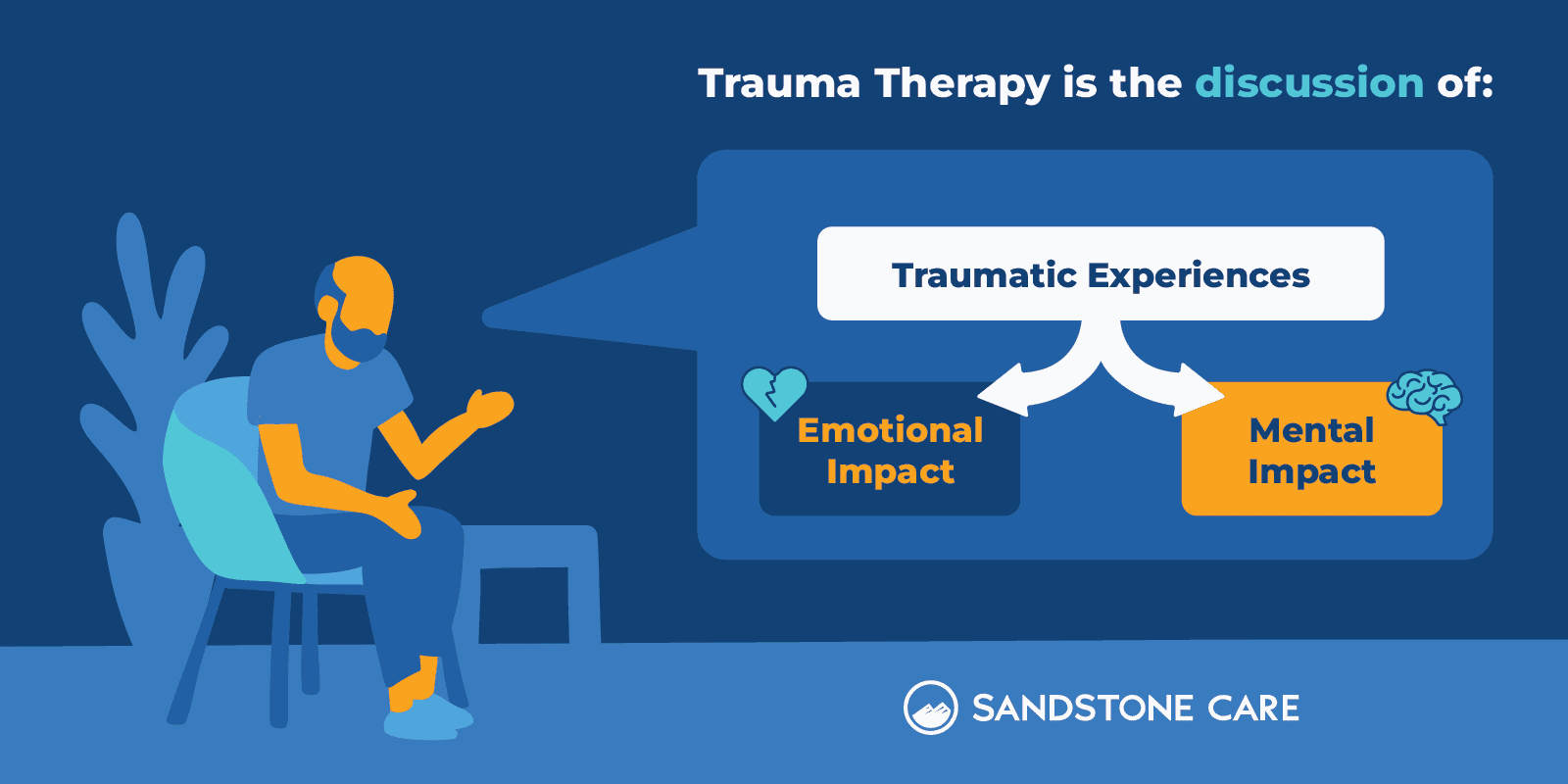
The intensive layout intensifies this by preserving reciprocal excitement across extended periods, permitting even more total handling of traumatic memory networks. Research studies show extensive EMDR produces considerable signs and symptom decrease in much shorter timeframes contrasted to regular sessions-- commonly accomplishing in days what takes months in conventional layouts.
Assimilation After the Intensive
The job does not end when the intensive concludes. Pittsburgh Center for Integrative Treatment supplies integration support to help maintain gains. This may consist of follow-up sessions to process extra material that emerged, abilities training for taking care of life post-intensive, somatic techniques to keep nerve system law, and connection to continuous support resources.
Several customers continue with much less frequent upkeep sessions after intensives, utilizing once a week therapy for assimilation instead of active injury handling. This produces a much more sustainable lasting approach where the extensive handles the hefty lifting and ongoing sessions sustain continued growth.
Key Phrases and Look Terms
Appropriate terms consist of EMDR intensive therapy, injury intensive hideaway, increased EMDR treatment, facility PTSD intensive, EMDR hideaway Pennsylvania, integrative trauma treatment, somatic EMDR treatment, IFS and EMDR integrated, injury therapy extensive, EMDR marathon sessions, quick trauma resolution, add-on injury intensive, and dissociation therapy intensive.
Making the Decision
EMDR intensives require commitment-- monetary, temporal, and emotional. They're not appropriate for everyone or every scenario. Energetic dilemma, severe dissociation without ample stabilization, or absence of exterior assistance systems might indicate the need for preparatory work first.
However, for individuals that've dealt with traditional treatment pacing, that have details trauma targets for resolution, or who require accelerated therapy due to life situations, intensives provide an effective alternative.
Pittsburgh Center for Integrative Therapy's team brings over three decades incorporated experience, EMDRIA qualification and training, and specialization in intricate trauma and dissociation. The integrative approach integrating EMDR, IFS, somatics, and other evidence-based approaches addresses trauma's full influence-- cognitive, psychological, physical, and relational.
If you've been working on trauma for months or years without the relief you need, if you comprehend your past however still feel entraped by it, or if your routine makes regular therapy unsustainable, extensive EMDR treatment may be the increased path to recovery you have actually been seeking.

Table of Contents
- – The Trouble with Traditional Weekly Therapy
- – What Makes EMDR Intensives Various
- – The Integrative Method: Why Multiple Modalitie...
- – That Profits A Lot Of from EMDR Intensives
- – What In fact Happens in an Extensive
- – The Scientific Research Behind Accelerated Han...
- – Assimilation After the Intensive
- – Key Phrases and Look Terms
- – Making the Decision
Latest Posts
Long-Term Results: What Happens Months After KAP Treatment
Nature-Based Wellness Retreats in Providence: The Healing Power of Nature
Why Months of Traditional Therapy Had Not Been Functioning: Just How EMDR Intensives Changed Whatever
More
Latest Posts
Long-Term Results: What Happens Months After KAP Treatment
Nature-Based Wellness Retreats in Providence: The Healing Power of Nature
Why Months of Traditional Therapy Had Not Been Functioning: Just How EMDR Intensives Changed Whatever